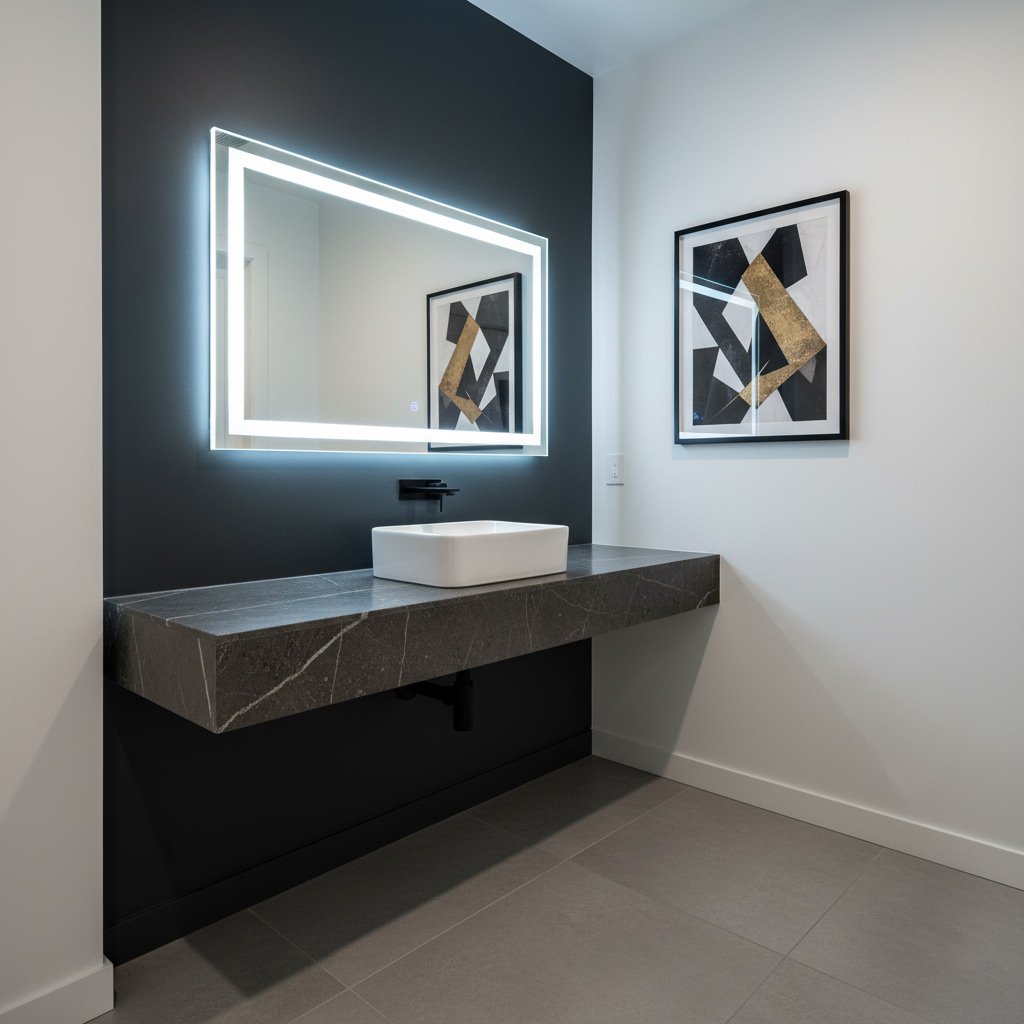
If you’ve ever stared at a shiny new walk‑in tub and felt a knot in your gut, you’re not alone. The promise of comfort can quickly turn into a nightmare when the purchase doesn’t live up to the hype.
San Luis homeowners know that a tub isn’t just a piece of porcelain—it’s a daily ritual, a place to unwind after a scorching desert day. The wrong model can leave you paying for a “luxury” that feels more like a money pit.
Smart buyers cut through the noise by zeroing in on three things: real‑world safety features, honest warranty terms, and a dealer who actually stands behind the product. When those boxes are checked, regret disappears.
Ready to see exactly how the locals separate the winners from the duds? Keep reading and you’ll walk away with a checklist you can use right now.
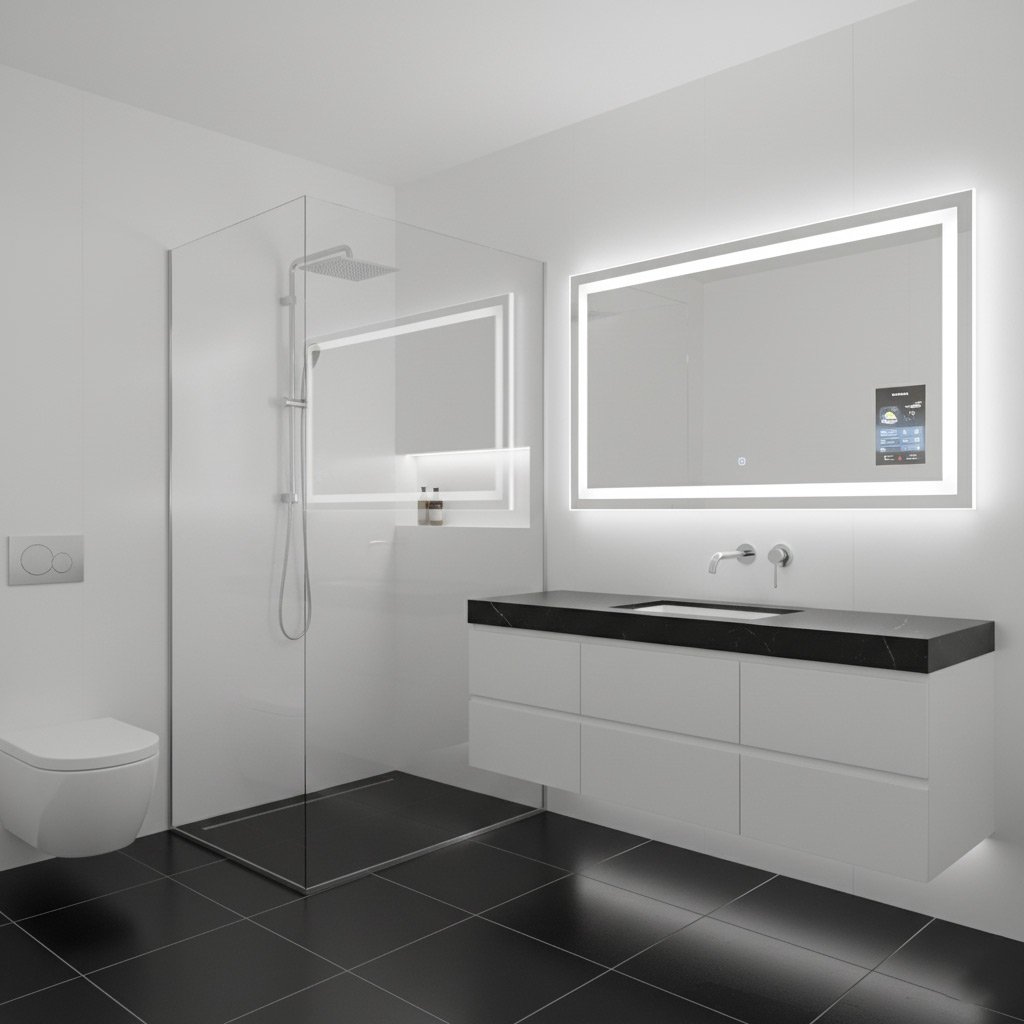
Understanding the Core Safety Features Every Walk‑In Tub Must Have
Before you even think about color or chrome, ask yourself: does this tub keep me upright and out of trouble? The best models treat safety like a built‑in habit, not an afterthought. In San Luis heat, a slip can turn a relaxing soak into a trip to the ER.
Key Safety Elements
- Low‑step entry – a gentle slope that lets you glide in without a hop.
- Grab bars – stainless steel, ergonomically placed, and welded, not glued.
- Anti‑slip flooring – textured surface that stays grippy even when water splashes.
- Emergency shut‑off – a reachable button that drains the water in seconds.
- Weight sensors – they detect a fall and trigger an alarm or call for help.
Don’t settle for a tub that only checks one box. A truly safe walk‑in tub layers these features so you never have to second‑guess a single component. When every element works together, you get peace of mind that lasts longer than the warranty.
Decoding Warranty Language: What’s Really Covered and for How Long
The Basics
Most walk‑in tubs ship with a manufacturer’s warranty that looks like a legal novel. What matters is the core promise: the tub’s shell, the door seal, and the hydro‑jet system are covered against defects.
Anything that fails because of a factory slip‑up should be fixed at no cost to you. That’s the safety net you’re buying.
- Shell integrity – cracks, warping, or leaks.
- Door mechanism – hinges, latch, and safety lock.
- Hydro‑jet components – pumps, jets, and control panel.
Time Frames
Warranty periods vary, but the sweet spot in San Luis is a 10‑year structural guarantee plus a 2‑year parts and labor cover. Anything less is a red flag.
Watch for “limited” language that caps coverage after a certain number of uses or years. Those caps can turn a solid warranty into a paper tiger.
- 10 years – shell and door.
- 2–5 years – electronic controls and pumps.
- Lifetime – cosmetic finish (rare, but worth hunting).
Fine Print
Dealers love to hide exclusions in the fine print. Look for clauses that void the warranty if you use non‑OEM parts or if a third‑party contractor does the install.
Also, note the service call fee schedule. Some warranties cover the first two calls, then charge you per visit. Know the cost before you sign.
- Improper installation – voids most coverage.
- Unauthorized repairs – you’re on the hook.
- Routine maintenance – often not covered, but required.
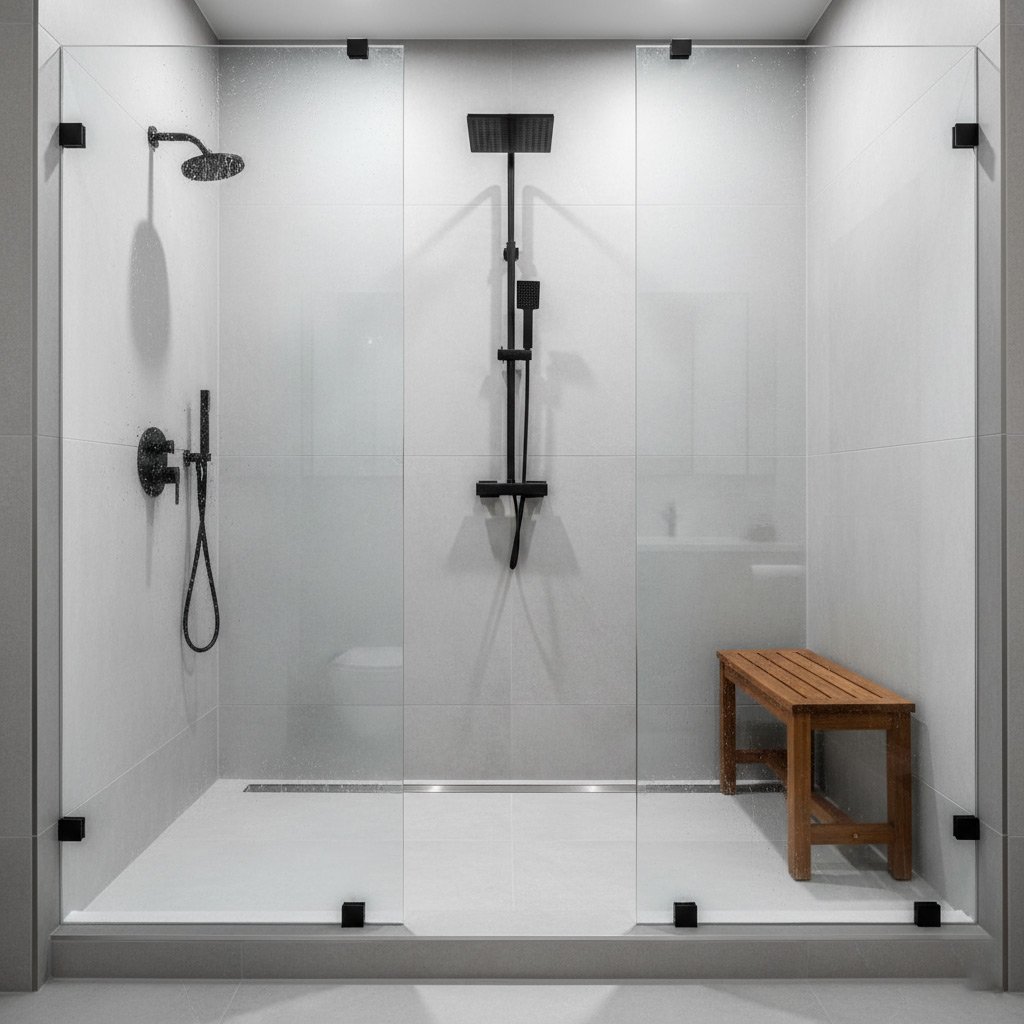
How to Vet and Choose a Trustworthy Walk‑In Tub Dealer in San Luis
Check the Credentials
Start with the basics: a valid business license, a physical showroom, and a solid track record in the Valley. Ask for proof of insurance and a copy of any industry certifications—these aren’t just paper; they’re a safety net if something goes sideways.
- Look for membership in the National Association of Home Builders or similar groups.
- Verify the dealer’s BBB rating; a “A+” isn’t a guarantee, but a “F” is a red flag.
- Search local forums and Facebook groups for real homeowner feedback.
Ask the Right Questions
Don’t settle for vague answers. A reputable dealer will gladly discuss installation timelines, service response times, and the exact parts covered under warranty.
- “How quickly can you dispatch a technician if a leak appears?”
- “Do you offer a maintenance plan, and what does it include?”
- “Can you provide at least three recent references from San Luis customers?”
Read the Fine Print
Contracts can hide costly surprises. Look for clear language about who owns the tub after installation, who handles repairs, and what triggers warranty voids.
- Beware of clauses that shift responsibility to the homeowner for “improper use.”
- Check if the dealer offers a no‑questions‑asked return window—most honest sellers do.
- Make sure the agreement spells out any hidden fees, like disposal of your old tub.
Budgeting for a Walk‑In Tub: Hidden Costs and Financing Options
Most buyers stare at the sticker price and think they’ve got the whole story. What they often miss are the extra line items that pop up once the tub is in the house.
What’s Really in the Price Tag
- Structural reinforcement – older homes may need floor joist upgrades to support the extra weight.
- Electrical work – built‑in jets, heated seats, or LED lighting require a dedicated circuit.
- Plumbing modifications – relocating drains or adding a dedicated water line can add a few hundred dollars.
- Removal of the old tub – disposal fees and labor are rarely included.
- Custom trim or tile work – a seamless look often means extra masonry or carpentry.
Knowing these items up front lets you set a realistic budget and avoid nasty surprises when the invoice arrives.
Smart Ways to Pay
- Zero‑interest credit cards – many offer a 12‑month promotional period, perfect for a short‑term cash flow boost.
- Home equity line of credit (HELOC) – low rates and flexible repayment, but remember your house is on the line.
- Dealer financing – some local showrooms partner with lenders who specialize in bathroom remodels, often with fixed monthly payments.
- Government or senior assistance programs – Arizona’s Aging and Disability Resource Center sometimes subsidizes safety upgrades.
Mix and match these options to keep monthly costs manageable while still getting the premium tub you deserve.
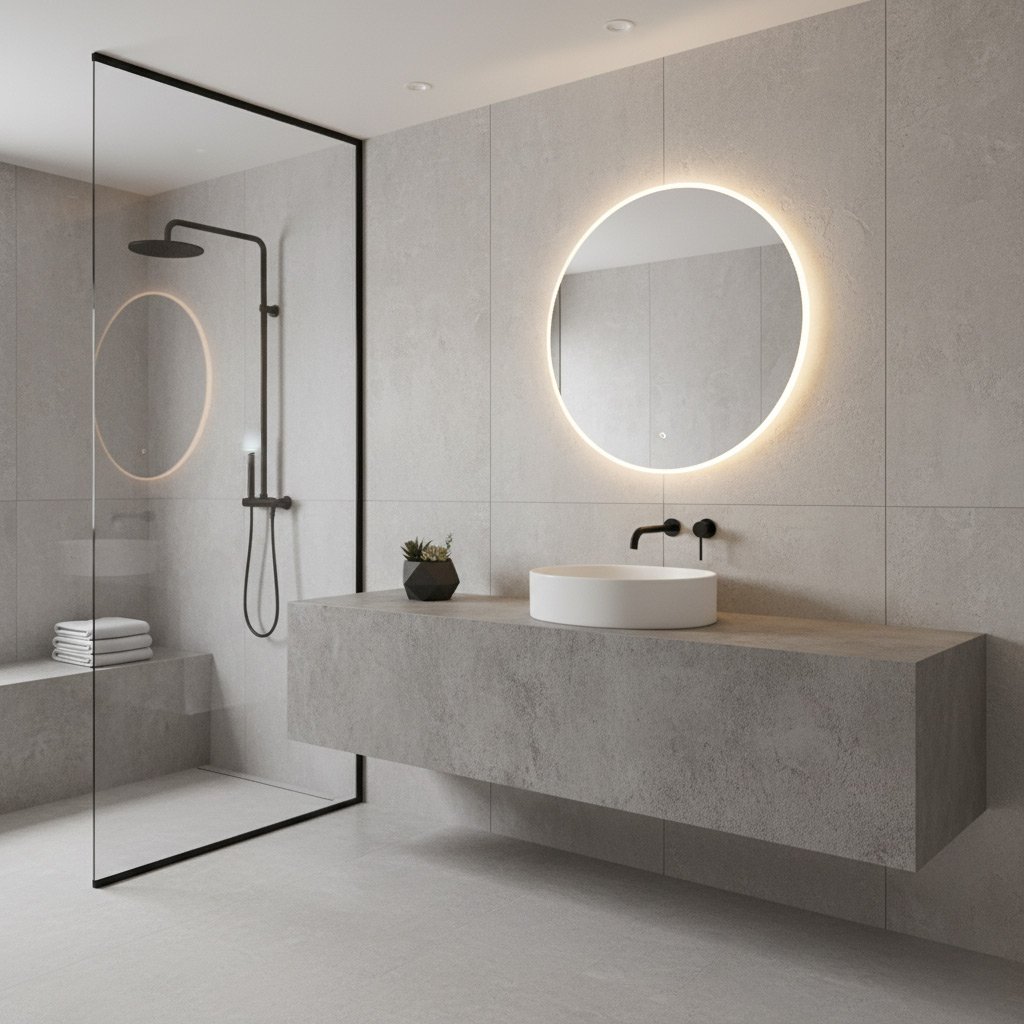
Installation Essentials: Preparing Your Bathroom for a Seamless Fit
Measure Twice, Cut Once
Start with a tape measure, not a guess. Grab the exact width, depth, and height of the space where the tub will sit, then add a half‑inch buffer for grout and trim. Accurate dimensions prevent costly re‑cuts later.
Next, sketch a quick floor plan. Mark the location of existing plumbing, the drain, and any obstacles like a vanity or heating vent. Visualizing the layout saves you from nasty surprises on installation day.
Structural and Utility Prep
Check the floor’s load‑bearing capacity. A walk‑in tub can weigh over 600 lb when filled, so reinforce joists if they look weak. Don’t gamble with a sagging floor—it’s a safety issue.
Run a quick test on the water lines and electrical circuits. Make sure the hot‑water supply can handle the tub’s flow rate, and that any built‑in heater or jets have a dedicated GFCI outlet. Separate circuits keep the system reliable.
Final Touches Before the Pro Arrives
Clear the area of rugs, cabinets, and loose items. A clean, empty space lets the installer work efficiently and reduces the risk of damage. Protect your flooring with a drop cloth or cardboard.
Do a level check with a carpenter’s level. If the floor isn’t level, apply a self‑leveling compound now rather than after the tub is in place. A level base means a leak‑free seal and a comfortable soak.
Case Study: Transforming a San Luis Home with a Premium Walk‑In Tub
The Challenge
Maria and Carlos Rivera wanted a safe, spa‑like retreat after a long day under the desert sun. Their old tub was slippery, cramped, and required a painful climb to get in. They needed a solution that wouldn’t break the bank but would still feel like a five‑star upgrade.
Key pain points they faced:
- Limited space in a modest bathroom.
- Concern about water‑leak damage.
- Desire for easy entry and exit for Carlos’s arthritis.
The Solution
We matched the Riveras with a hydro‑massage walk‑in tub that fits a 48‑inch footprint. The unit includes a low‑step threshold, grab bars, and a built‑in heater that keeps water warm for hours. Installation took two days, thanks to a pre‑drilled floor plan we prepared together.
During the install we added:
- Water‑resistant backer board to prevent future leaks.
- Custom‑cut tile that blends with their existing décor.
- A discreet control panel mounted at eye level for easy operation.
The Result
Maria says the tub feels like “a personal oasis” after a 90‑degree afternoon. Carlos can step in without pain, and the family saved $1,200 by avoiding a full bathroom remodel. The Riveras now recommend us to every neighbor who asks about walk‑in tubs.
Final Words: Your Checklist for a Regret‑Free Walk‑In Tub Purchase
Before you sign on the dotted line, run through this quick audit. It’s the difference between a daily spa‑like retreat and a costly headache you’ll wish you’d avoided.
Core Checklist Items
- Safety first: Verify anti‑slip flooring, grab bars, and a low‑threshold entry that meets ADA guidelines.
- Warranty clarity: Look for a minimum 5‑year structural warranty and a separate parts coverage period.
- Dealer reputation: Check online reviews, ask for at least three references, and confirm they’re licensed in San Luis.
- Budget transparency: Get a written quote that breaks out the tub, installation, plumbing upgrades, and any optional accessories.
- Installation prep: Ensure the contractor will reinforce the floor, seal all connections, and test the water heater before you move in.
Keep this list on your fridge or in your phone notes. When a dealer can’t tick every box, walk away and keep looking. Need more guidance? Browse our Walk‑In Tub page for deeper dives on each point.
People Also Ask
What safety features should I look for in a walk‑in tub?
A reputable walk‑in tub should include a low‑step entry, non‑slip flooring, grab bars, and an emergency pull‑cord or handset. Look for models that meet or exceed the American National Standards Institute (ANSI) safety guidelines.How long do walk‑in tub warranties typically last?
Most manufacturers offer a limited warranty of 5‑10 years on the tub shell and a separate 2‑3 year warranty on mechanical components. Read the fine print to confirm coverage for parts, labor, and any accessories.What questions should I ask a walk‑in tub dealer in San Luis?
Inquire about the dealer’s experience, installation certifications, and after‑sale service policies. Ask for references from local customers and verify that the dealer is an authorized installer for the brand you’re considering.Are there hidden costs when buying a walk‑in tub?
Yes, additional expenses can include bathroom remodeling, plumbing upgrades, electrical work for heated models, and removal of the old tub. Many dealers offer financing options that can spread these costs over time.How can I ensure a seamless installation in my bathroom?
Measure the space accurately, confirm floor load capacity, and plan for proper drainage and venting. A professional installer will assess structural requirements and coordinate any necessary remodel work before the tub arrives.
San Luis Bathroom Remodel specializes in comprehensive bathroom renovations, bringing over a decade of craftsmanship to homes throughout San Luis, Arizona. Their team blends local knowledge with skilled trades to deliver functional, stylish spaces tailored to each homeowner’s vision. With a focus on quality workmanship and personalized service, they turn bathroom projects into lasting improvements for the community.
Need Bathroom Remodel?
We transform bathrooms in San Luis, AZ and surrounding ZIPs (85349, 85350, 85364, 85365, 85337). Our remodels are completed on schedule, delivering modern, functional spaces you’ll love.
Request Remodel Quote