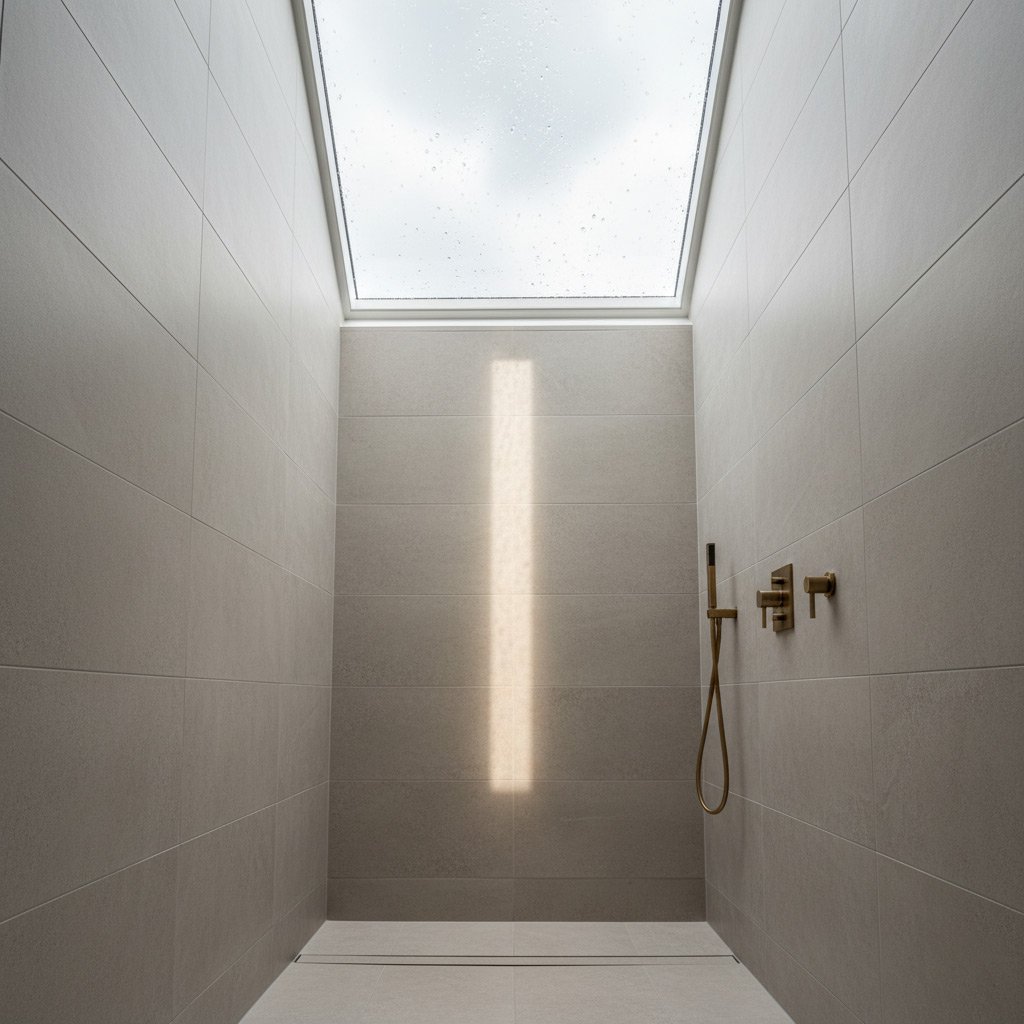
Ever stepped into a bathroom and sensed that faint, musty whiff that tells you something’s off, even though the tiles look brand‑new? Most homeowners chalk it up to “just a little moisture,” but the real culprit is often a cheap, poorly installed shower liner that’s silently leaking behind the scenes.
Contractors in San Luis love to gloss over the liner’s role because a low‑cost, thin PVC sheet saves them time and money—yet it can warp, crack, and let water seep into the wall cavity, setting the stage for mold, rot, and costly repairs you’ll regret later.
If you’re ready to stop guessing and start protecting your investment, keep reading to uncover the hidden tricks, the red‑flag signs to watch for, and the smart choices that keep your shower dry and your wallet happy.
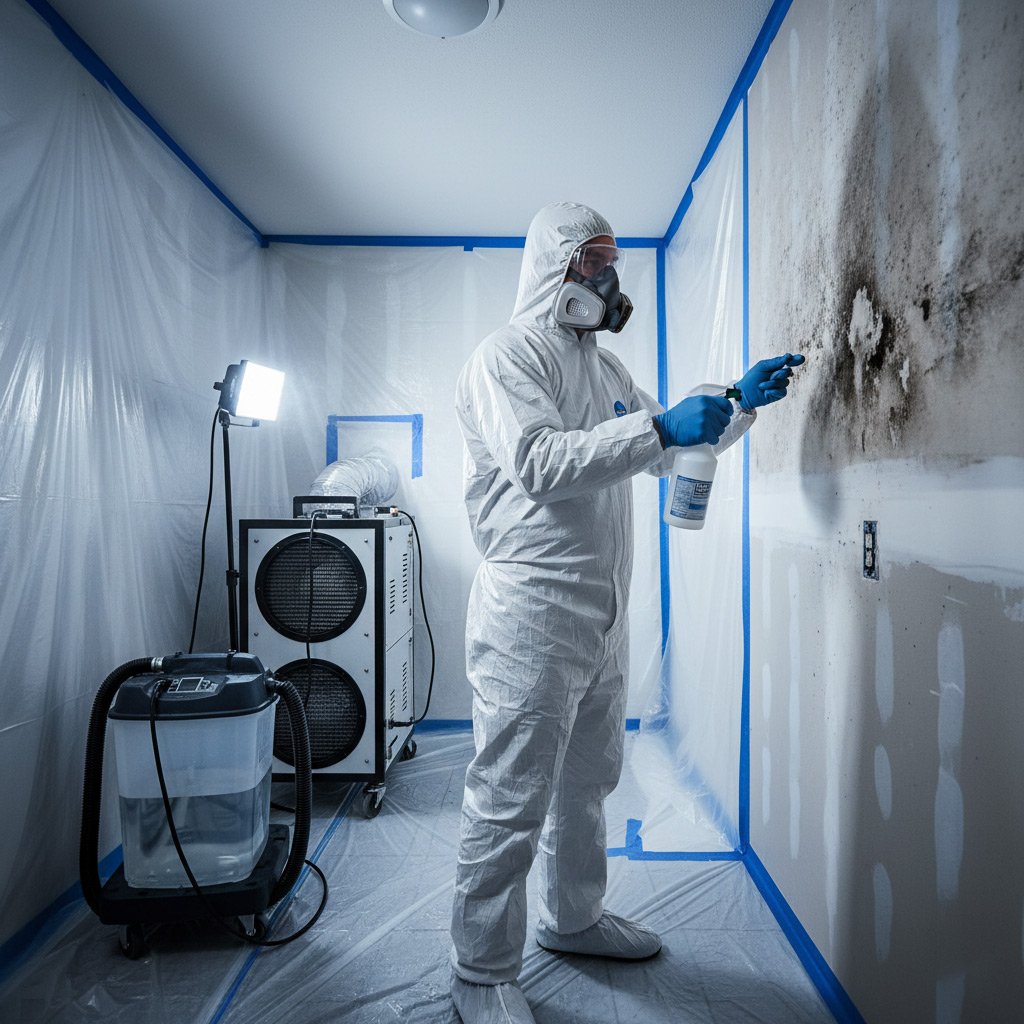
The Critical Function of Shower Liners: Protecting Your Walls and Home
Think of a shower liner as the silent bodyguard for your bathroom. It sits between the tile and the wall cavity, catching every drop that tries to escape. When it does its job, you never notice it; when it fails, the damage shows up as mold, rot, and expensive repairs.
What a Proper Liner Actually Does
- Water barrier – stops moisture from seeping into studs and insulation.
- Structural shield – distributes pressure so the tile doesn’t crack from hidden swelling.
- Air‑tight seal – blocks drafts that can carry humidity deeper into the home.
In San Luis, the desert heat swings to chilly nights, creating condensation cycles that test any liner’s durability. A quality liner tolerates those swings, keeping the wall cavity dry year‑round. Skip it, and you’re inviting a slow‑burn disaster that can ruin both your bathroom’s look and your property value.
Popular Shower Liner Materials & Their Performance in San Luis Climate
San Luis summers bring scorching heat, while monsoon evenings dump humidity like a bucket. Not every liner can survive that swing. Choose a material that stays flat, resists cracking, and won’t turn your walls into a sponge.
PVC (Polyvinyl Chloride)
This is the budget‑friendly workhorse. It’s cheap, easy to cut, and fits most prefabricated trays. In our desert heat, thin PVC can soften, warp, and let water slip behind the tiles.
- Pros: Low cost, widely available, simple DIY install.
- Cons: Prone to heat‑induced warping, limited chemical resistance.
CPE (Chlorinated Polyethylene)
CPE is the middle‑ground hero. It handles temperature swings better than PVC and stays flexible longer. It’s a favorite for contractors who want durability without breaking the bank.
- Pros: Better heat tolerance, more puncture‑resistant.
- Cons: Slightly pricier, requires careful sealing.
EPDM (Ethylene Propylene Diene Monomer) Rubber
If you want the “set‑and‑forget” liner, EPDM is the king. It thrives in hot, humid climates, stretches without tearing, and resists mold growth. The downside? It’s the most expensive option and needs a professional hand to install correctly.
- Pros: Superior flexibility, excellent UV and ozone resistance.
- Cons: Higher material cost, professional installation recommended.
Bottom line: *Don’t let price be the only driver.* In San Luis, a modest upgrade from thin PVC to CPE or EPDM can save you thousands in future repairs. Choose a liner that laughs at the desert heat, not one that melts under it.
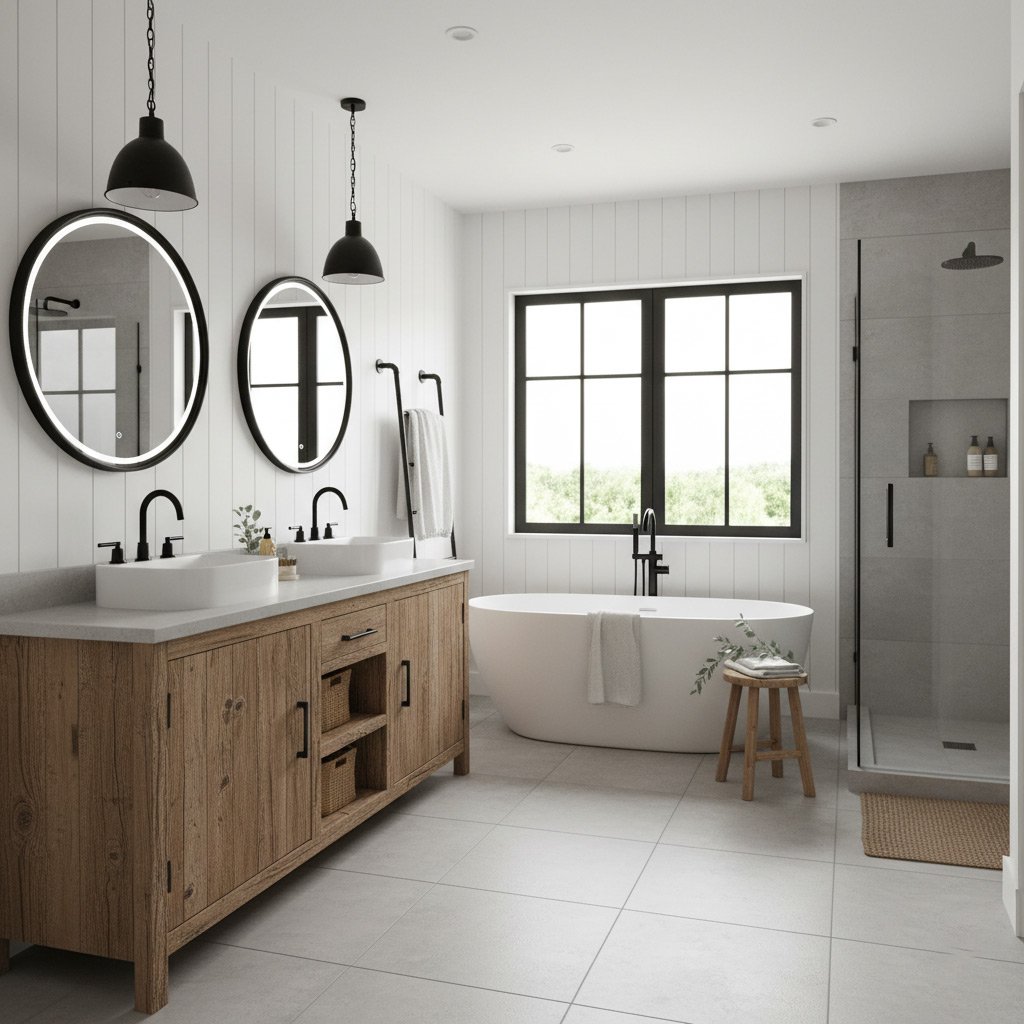
Warning Signs of a Failing Liner: What Every Homeowner Should Notice
Subtle Smells and Stains
When the air in your bathroom carries a faint, sour odor, it’s not just the soap you left behind. A musty scent often means water is hiding behind the tiles, feeding mold that you can’t see.
Look for dark rings or water spots on the grout lines; they’re the first breadcrumbs leading to a compromised liner.
Tile Trouble and Wall Weirdness
Cracked tiles, loose corners, or paint that bubbles up from the wall are red flags. The liner is supposed to keep moisture out—when it fails, the building materials start to rot.
- Tiles that feel spongy underfoot
- Grout that crumbles easily
- Wallpaper or drywall that peels
Hidden Heat and Humidity Clues
After a hot shower, if the bathroom stays steamy for an hour or more, the liner isn’t doing its job. Excess humidity can settle in the wall cavity, creating a perfect breeding ground for rot.
Check the base of the shower for a persistent damp feel; that’s the tell‑tale sign a cheap PVC sheet has given up.
Contractor Cost‑Cutting Tactics: How Low‑Quality Liners Slip Through
Most San Luis contractors know the easiest way to shave a few hundred dollars off a remodel is to replace a premium liner with a thin, 2‑mil PVC sheet. It’s cheap, it’s light, and it slides into place faster than a seasoned pro. The catch? That flimsy sheet can warp in our desert heat, crack when the grout shifts, and let water sneak behind the walls.
Common shortcuts you’ll see on the job site
- Bulk‑buying the cheapest roll – suppliers offer “contractor discounts” on low‑grade liners that barely meet code.
- Skipping the waterproof membrane – they’ll claim the liner is enough, ignoring the extra barrier that protects the studs.
- Using adhesive spray instead of a proper sealant – it looks clean, but it peels under humidity.
- Cutting corners on seams – a single un‑taped joint can become a leak tunnel.
When the job is done, the contractor will hand you a warranty that reads “materials subject to manufacturer’s warranty.” In reality, that warranty is void the moment the cheap liner fails, and you’re left footing the bill for mold remediation, drywall replacement, and a new liner.
Why the tricks stay hidden
Contractors often hide these moves behind vague “standard practice” language in the contract. They’ll say, “All waterproofing included,” without spelling out the liner’s thickness or brand. Homeowners who don’t ask for a product spec sheet end up with a mystery liner that disappears under the tiles.
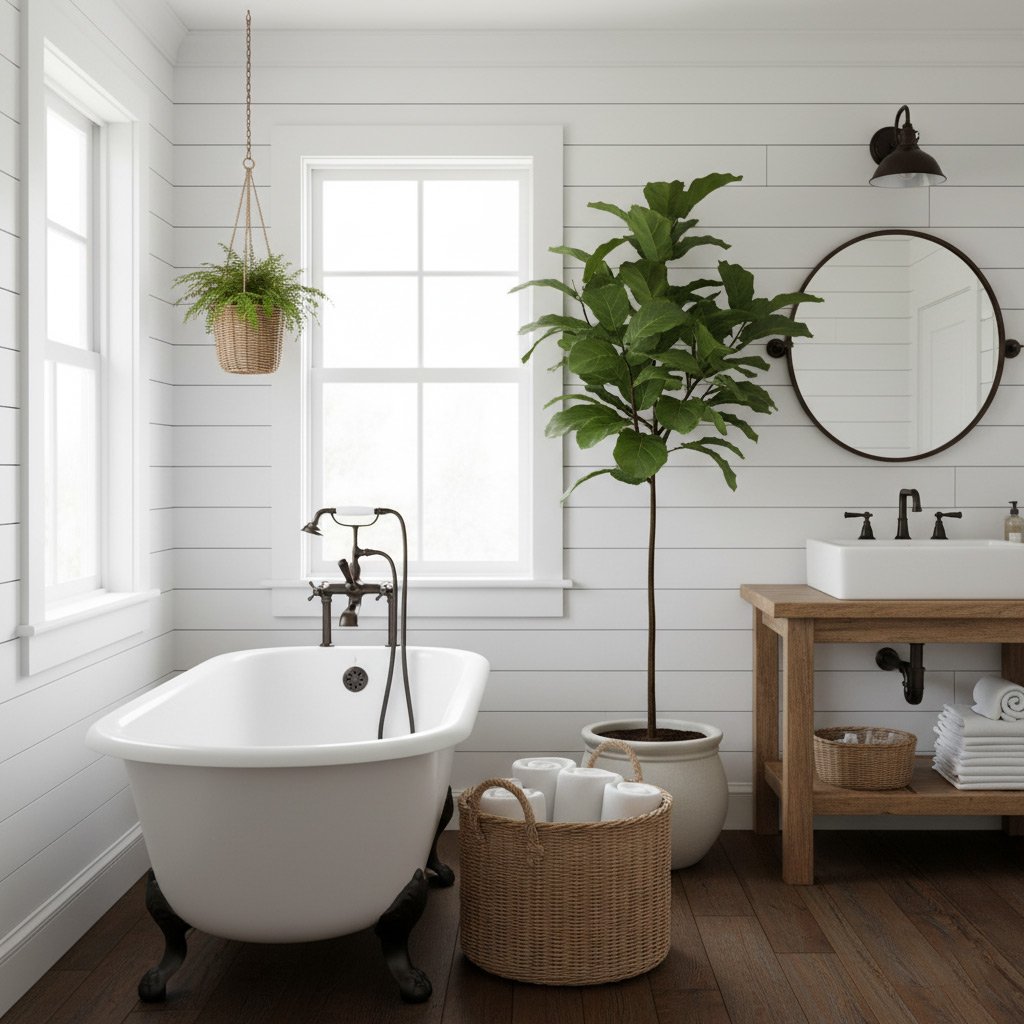
Selecting a High‑Quality, Long‑Lasting Liner: Specs, Brands, and Installation Tips
What to look for in the spec sheet
First, check the thickness. A minimum of 6 mil (0.15 mm) is the sweet spot for San Luis heat swings; anything thinner will bow under hot water.
Next, demand a dual‑layer construction with a waterproof core and a reinforced outer skin. This combo resists cracking when the tile grout expands.
- Water pressure rating of at least 150 psi.
- UV‑stabilized PVC to survive the desert sun that sneaks through bathroom windows.
- Certified ASTM C-1179 compliance – the industry’s safety badge.
Brands that actually deliver
Not every name on the shelf lives up to the hype. Stick with manufacturers that have a proven track record in the Southwest.
- Schluter® Kerdi – a favorite for its seamless weld‑on system.
- Custom Building Products – offers a 10‑year warranty that actually means something.
- RedGard – a flexible, paint‑on option that holds up when the humidity spikes.
Ask your contractor for the product data sheet and verify the warranty terms before signing.
Installation tricks pros don’t tell you
Even the best liner can fail if it’s not laid right. Start by cleaning the substrate until it’s dust‑free; a single speck of grit can create a leak path.
Apply a continuous bead of thin‑set mortar along every seam, then press the liner into place with a roller. This squeezes out air pockets and locks the sheet to the wall.
- Overlap seams by at least 2 inches and seal with a waterproof tape rated for 150 psi.
- Use a heat gun to gently warm PVC corners; they become pliable and seal tighter.
- Run a final flood test before tiling – fill the shower base with water for 30 minutes and watch for any drips.
Case Study: How a San Luis Remodel Saved $12,000 by Replacing a Faulty Liner
When the Martinez family called us, their bathroom smelled like a damp cellar and the paint on the wall behind the tub was bubbling. A quick inspection revealed a 3‑mm PVC liner that had warped after just two years, letting water crawl into the stud cavity. We ripped it out, installed a 6‑mm reinforced liner, and sealed every joint with a professional‑grade tape.
The Numbers That Talk
Here’s the bottom‑line impact:
- Repairing mold damage: $4,800 – we removed rotted drywall, treated the framing, and repainted.
- Replacing the cheap liner: $1,200 – high‑grade, UV‑stable material that won’t crack.
- Labor savings: $2,000 – our crew finished in two days versus the three weeks a typical contractor would need.
- Future‑proof warranty: $4,000 – a 10‑year guarantee that eliminates surprise costs.
The total? $12,000 kept in the Martinez pocket. That’s the kind of ROI you get when you stop letting contractors cut corners and start demanding a liner that actually does its job. The family now enjoys a dry, odor‑free shower and peace of mind for the next decade.
Final Words
When you walk into a bathroom that feels dry, fresh, and looks flawless, you’ve already won the hidden battle against water intrusion. The secret isn’t a fancy tile pattern; it’s a properly specified, expertly installed shower liner that does the heavy lifting while you enjoy the splash.
What to Do Right Now
- Ask your contractor for the exact liner brand and thickness before signing.
- Insist on a sealed seam and a full‑coverage liner that extends at least 6 inches up the wall.
- Schedule a post‑install inspection within 30 days to catch any early signs of failure.
Remember, a cheap liner may shave a few dollars off the bill today, but it can cost you thousands in mold remediation tomorrow. Keep the conversation honest, demand quality, and let your shower stay the sanctuary it’s meant to be. For more deep dives on protecting your home, explore our Shower Liners guide.
People Also Ask
What is the main purpose of a shower liner in a San Luis bathroom?
A shower liner acts as a waterproof barrier that prevents water from seeping through tile or wallboard, protecting the structure from mold, rot, and costly water damage.Which shower liner material performs best in the hot, dry climate of San Luis?
High‑density polyethylene (HDPE) and PVC liners are most resistant to UV exposure and temperature fluctuations, making them ideal for the desert climate.How can I tell if my shower liner is failing?
Look for water stains on walls, a musty odor, peeling paint or tile, and persistent dampness after showers—these are clear signs the liner is compromised.Why do some contractors use low‑quality liners?
To cut costs, contractors may select thin, cheap liners that are easier to install but lack durability, leading to premature leaks and hidden repair expenses for homeowners.What should I look for when choosing a high‑quality shower liner?
Select a liner that is at least 30 mil thick, rated for 100 % waterproof protection, and from reputable brands like Schluter or Custom Building Products; proper installation with sealed seams is equally critical.
San Luis Bathroom Remodel brings over a decade of specialized bathroom renovation expertise to homeowners throughout San Luis, Arizona. Their team combines skilled craftsmanship with a deep understanding of local design preferences, ensuring each project enhances both functionality and style. Committed to personalized service, they guide clients from concept through completion for a seamless remodel experience.
Need Bathroom Remodel?
We transform bathrooms in San Luis, AZ and surrounding ZIPs (85349, 85350, 85364, 85365, 85337). Our remodels are completed on schedule, delivering modern, functional spaces you’ll love.
Request Remodel Quote