
Picture this: you pull the shower curtain aside and step straight into a modern, open‑concept shower that feels like a spa, not a cramped bathroom relic.
In San Luis, where the desert heat makes a quick rinse a daily blessing, swapping that bulky tub for a sleek shower isn’t just a trend—it’s a smart move that frees up space and adds instant curb appeal.
Worried about permits, budget surprises, or picking the right fixtures? You’re not alone, and the good news is there’s a clear path that keeps the project on track and the stress low.
Stick around and we’ll walk you through every step, from the first measurement to the final splash, so you can turn that old tub into a showroom‑ready shower without a hitch.
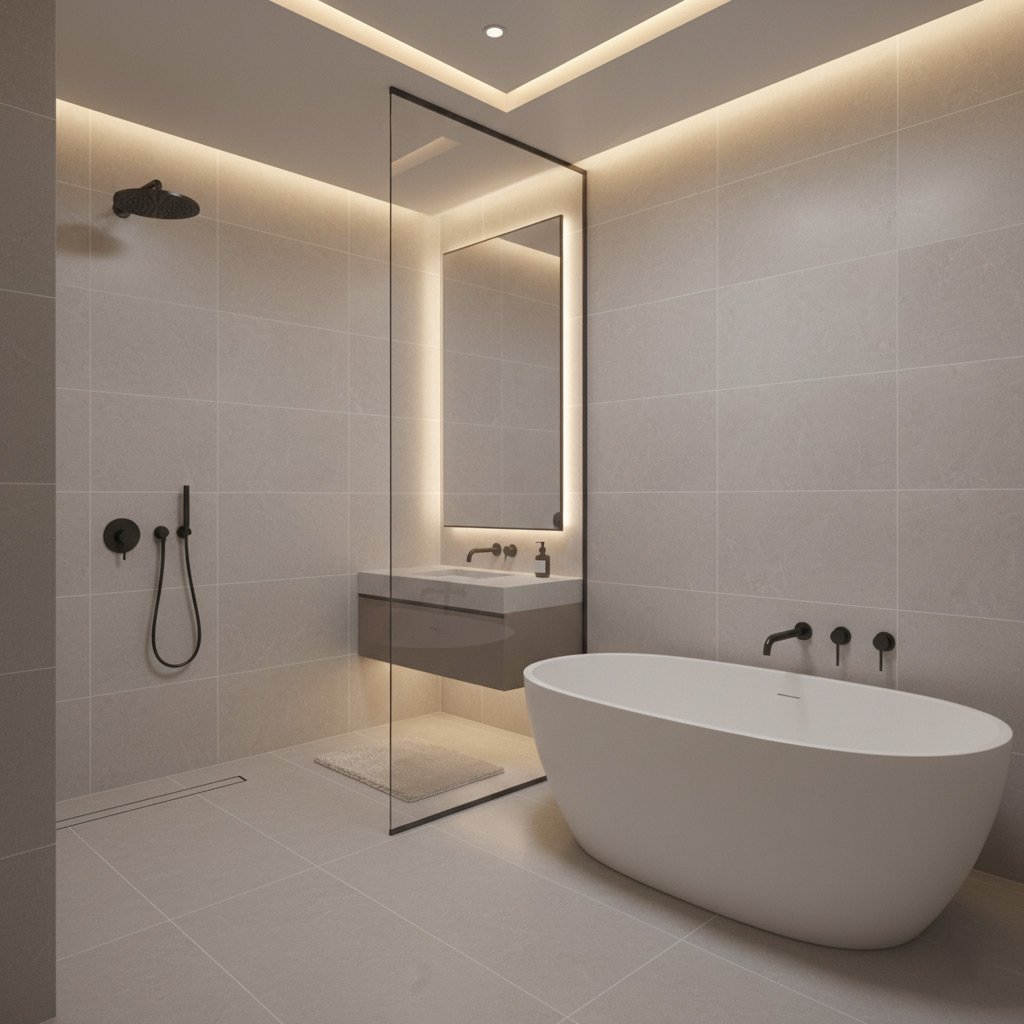
Assessing Your Space & Planning the Layout
First thing’s first: grab a tape measure and walk the bathroom like you’re scouting a new showroom. Know the exact length, width, and height of the area where the tub sits, and note any protruding pipes or vents that can’t be moved. A quick sketch on graph paper (or a free app) will turn vague ideas into a clear blueprint.
Key Measurements to Capture
- Floor footprint: Measure from wall to wall, including the space behind the door.
- Ceiling height: Make sure there’s enough clearance for a rain‑shower head.
- Plumbing run: Locate the drain and water supply lines; they dictate where the new shower base can sit.
- Door swing: Verify that the bathroom door won’t hit the new shower enclosure.
Once you have the numbers, think about traffic flow. You want a clear path from the vanity to the shower, and enough room to step in without bumping into fixtures. Position the shower where it maximizes space—often against the longest wall or where the existing tub’s plumbing already runs. This saves labor, cuts costs, and keeps the design looking intentional.
Navigating San Luis Building Codes & Permit Requirements
Before you swing a hammer, the city of San Luis wants to see a paper trail. Skipping the permit can mean fines, forced demolition, or a nasty surprise when you try to sell the house. The good news? The process is straightforward if you know the exact forms to fill out.
What the City Wants
San Luis follows the Arizona Residential Code, which zeroes in on three key areas for a tub‑to‑shower swap:
- Plumbing – proper venting, pipe sizing, and water‑supply connections.
- Electrical – GFCI protection for any lighting or exhaust fans.
- Structural – floor load calculations and waterproofing details.
When you submit the application, attach a simple sketch that shows the new shower footprint, drain location, and any wall modifications. The city clerk will give it a quick look and either approve it or ask for a tweak.
Steps to Secure Your Permit
1. Gather documents – a copy of your property deed, a one‑page layout, and a list of fixtures.
2. Fill out the San Luis Building Permit Form (available online or at the Planning Department).
3. Pay the modest fee (usually $75‑$150) and schedule a brief inspection.
Most homeowners hear back within 5‑7 business days. If you’re on a tight schedule, ask the clerk if there’s an expedited track – it’s a small extra cost for a big time saver.
Inspection Checklist
After the shower is installed, the inspector will verify three things:
- Drain slope meets code (1/4 inch per foot).
- All electrical components are GFCI‑protected.
- Waterproofing membrane is continuous and sealed.
Pass the inspection, get the final sign‑off, and you’re free to enjoy your new desert‑ready shower without a worry.
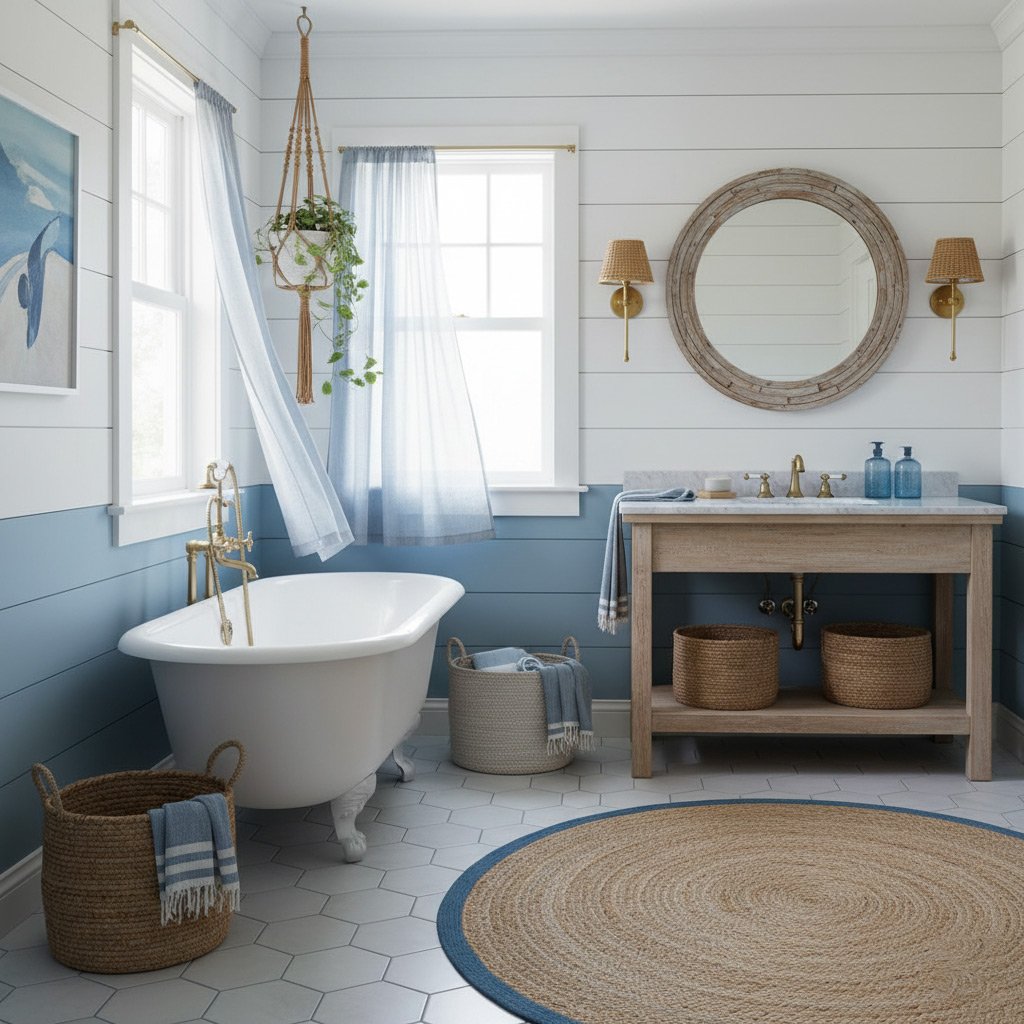
Selecting Shower Types, Materials, and Fixtures for Desert Living
Shower Types That Beat the Heat
In a place where the sun blazes from dawn to dusk, you want a shower that dries fast and feels airy. A walk‑in linear shower with a low threshold lets steam escape quickly, while a curbless wet room gives the illusion of space and makes cleaning a breeze.
Consider these options:
- Linear (rail) shower – sleek, easy to step into, perfect for narrow bathrooms.
- Curbless wet room – seamless floor, ideal for wheelchair access.
- Glass‑enclosed stall – keeps water where it belongs, looks modern.
Materials That Thrive in the Desert
Desert humidity swings from bone‑dry to sudden monsoons, so pick surfaces that won’t crack or stain. Porcelain tile is a workhorse: it resists heat, holds color, and stays cool underfoot.
Other smart choices:
- Large‑format stone tiles – fewer grout lines, less maintenance.
- Quartz or solid surface panels – non‑porous, easy to wipe down.
- Stainless‑steel or powder‑coated shower walls – rust‑free, handles salty air.
Fixtures Built for Arizona
Water pressure can be fickle, and you don’t want a leaky faucet in the middle of a summer afternoon. Look for fixtures with ceramic disc valves – they stay consistent and last longer.
Key features to demand:
- Thermostatic controls – avoid sudden temperature shocks.
- Low‑flow showerheads – save water without sacrificing power.
- Corrosion‑resistant finishes – bronze, brushed nickel, or matte black survive the desert air.
Budget Breakdown: Costs, Savings, and Financing Options
Typical Cost Drivers
In San Luis, a tub‑to‑shower conversion usually lands between $4,500 and $9,000, depending on the finish and plumbing complexity.
Key line items include demolition, waterproofing, shower base, walls, and fixtures. Labor can eat up 30‑40% of the total, especially if you need to reroute water lines.
Where to Save Without Sacrificing Quality
Look for off‑season sales on tile and shower doors; many suppliers discount 15‑20% after the holidays.
Consider a prefabricated shower pan instead of a custom mortar bed. It cuts installation time and reduces the risk of leaks.
- Reuse existing plumbing where possible.
- Choose acrylic or fiberglass panels for a sleek look at a fraction of the cost of natural stone.
- DIY demolition (with proper safety gear) can shave $500‑$800 off the bill.
Financing Options Tailored for Desert Homeowners
Many local lenders offer “home improvement loans” with rates as low as 4.9% APR. These are perfect for spreading the cost over 3‑5 years.
Another route is a zero‑interest credit card promotion—just be sure to pay it off before the intro period ends.
Some contractors in San Luis partner with financing companies that let you start the project with a 10% down payment and the rest in manageable monthly installments.
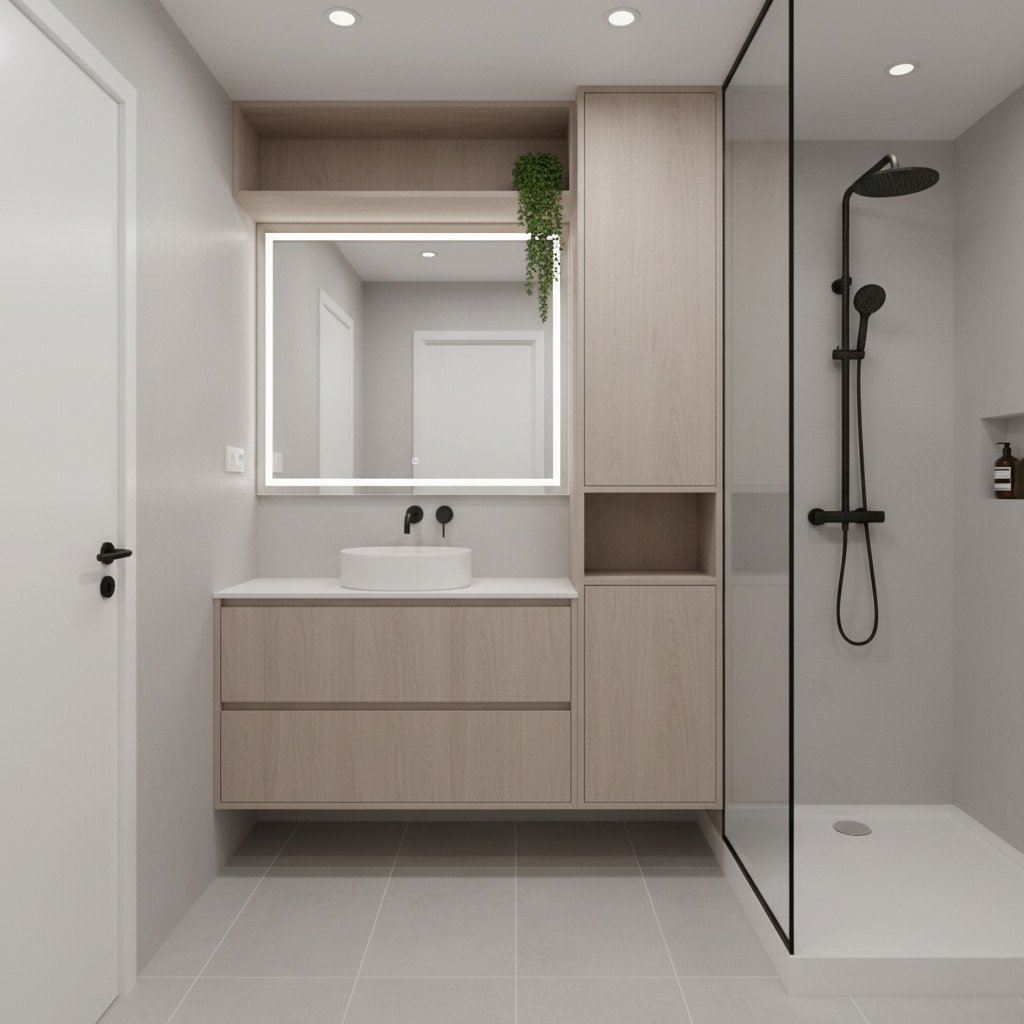
DIY vs. Professional Installation: Pros, Cons, and Timeline
Going solo can feel like a power move, especially when you’ve already tackled a few home projects. You’ll save on labor costs and get the satisfaction of saying, “I did that.” But remember, a bathroom is a wet zone—mistakes can turn into leaks that cost more than a contractor’s fee.
DIY: What You Gain
- Cost control: Only pay for materials and tools.
- Flexibility: Work on your schedule, no waiting on a crew.
- Hands‑on learning: You’ll pick up plumbing basics that pay off later.
The flip side is time. A typical tub‑to‑shower swap takes a seasoned pro about 3‑5 days; a DIYer often stretches that to a week or more, especially if you hit a surprise like outdated pipe. Expect extra weekends, a few trips to the hardware store, and a steep learning curve.
Hiring a Pro: What You Get
- Speed: Professionals usually finish in 2‑4 days.
- Code confidence: They know San Luis permits inside out.
- Warranty peace of mind: Most contractors back their work for a year.
Sure, the price tag is higher—average labor runs $2,000‑$4,500 in the desert market—but you avoid the hidden costs of re‑doing a mis‑aligned tile or a busted drain. Plus, a pro can coordinate the whole timeline, from demolition to final grout, so you’re not juggling multiple trades.
Case Study: From Outdated Tub to Spa‑Like Shower in a San Luis Home
The Starting Point
Maria and Carlos lived in a 1998 ranch‑style home where the master bath still featured a cracked, porcelain‑enamel tub. Every morning felt like a battle against the desert heat, and the tub ate up valuable floor space.
They wanted a quick, low‑maintenance solution that would also boost their home’s resale value. After a quick consult, we measured the footprint, noted the existing plumbing, and sketched a layout that kept the vanity where it was.
The Transformation Process
Our crew tackled the job in three clean phases:
- Demo: Remove the tub, back‑wash the walls, and cap the old drain.
- Prep & waterproof: Install a cement backer board, then apply a liquid‑applied membrane—perfect for the desert’s temperature swings.
- Finish: Set a large‑format, slip‑resistant tile and mount a frameless glass enclosure with a thermostatic valve.
We chose a rain‑head showerhead and a handheld sprayer, both rated for high‑flow use without wasting water. All fixtures are rated for the low‑pressure water lines common in San Luis.
The Result
The new shower feels like a mini‑spa: open, bright, and ready for a quick rinse after a day in the sun. Maria says the space feels “twice as big,” and the resale appraisal added $12,000 to the home’s value.
Best part? The project stayed under budget, finished in just ten days, and required no permits because we used the existing plumbing footprint.
Final Words
Ready to trade that tub for a shower that feels like a desert oasis? Take the first step today by reaching out for a free on‑site quote. Our San Luis crew will walk you through the design, handle permits, and keep the timeline tight—so you can start enjoying that quick rinse sooner rather than later.
Quick Checklist Before You Dive In
- Measure the footprint and confirm clearances.
- Verify local code requirements on Tub to Shower Conversion.
- Choose water‑wise fixtures that thrive in desert heat.
- Set a realistic budget and explore financing options.
- Decide DIY or pro install based on skill and timeline.
Remember, a well‑executed conversion does more than free up space—it boosts home value and makes daily life smoother. Don’t let indecision stall the upgrade; a simple call can turn that vision into a reality you’ll step into every morning.
People Also Ask
What is the average cost to convert a tub to a shower in San Luis, AZ?
The conversion typically ranges from $3,500 to $8,000, depending on materials, plumbing changes, and labor. Choosing prefabricated shower kits can lower costs, while custom tile work and high‑end fixtures increase the price.Do I need a building permit for a tub‑to‑shower conversion in San Luis?
Yes, most remodels that involve plumbing or structural changes require a permit from the San Luis Planning & Development Department. Obtaining the permit ensures compliance with local codes and avoids potential fines.Which shower type works best for the desert climate of San Luis?
A walk‑in tile shower with a low‑flow rainhead is ideal, as it provides a spa‑like experience while conserving water. Adding a vapor barrier and proper ventilation helps control humidity in the arid environment.Can I do a tub‑to‑shower conversion myself, or should I hire a professional?
DIY is possible for simple conversions using a prefabricated kit, but plumbing, waterproofing, and code compliance often require a licensed contractor. Professional installation typically reduces the risk of leaks and ensures a faster, warranty‑backed finish.How long does a typical tub‑to‑shower conversion take?
A straightforward conversion usually takes 5–7 business days, including demolition, plumbing adjustments, and finishing work. More complex projects with custom tile or structural modifications can extend the timeline to 2–3 weeks.
San Luis Bathroom Remodel brings over a decade of specialized bathroom renovation expertise to the San Luis community. Their team combines skilled craftsmanship with a deep understanding of local design preferences, delivering personalized remodels that enhance both function and style. Committed to reliable service and clear communication, they help homeowners transform their spaces with confidence.
Need Bathroom Remodel?
We transform bathrooms in San Luis, AZ and surrounding ZIPs (85349, 85350, 85364, 85365, 85337). Our remodels are completed on schedule, delivering modern, functional spaces you’ll love.
Request Remodel Quote