
If you’ve ever stared at a cracked tile wall and thought, “There’s got to be a better way,” you’re not alone. The bathroom is the one room where a misstep can turn a quick fix into a full‑blown nightmare.
In San Luis, homeowners have been swapping stories about a sleek, low‑maintenance alternative that’s been slipping under the radar: acrylic panels. They’re light, they’re waterproof, and they snap into place faster than you can say “renovation.”
Tile still has its charm—think classic texture and endless design options—but it brings grout, sealing, and a schedule that can stretch weeks. Acrylic, on the other hand, promises a smooth finish with far fewer headaches, yet some worry it looks too “plastic.”
Stick around and we’ll break down the numbers, the look, and the real cost so you can pick the wall that wins in your bathroom.
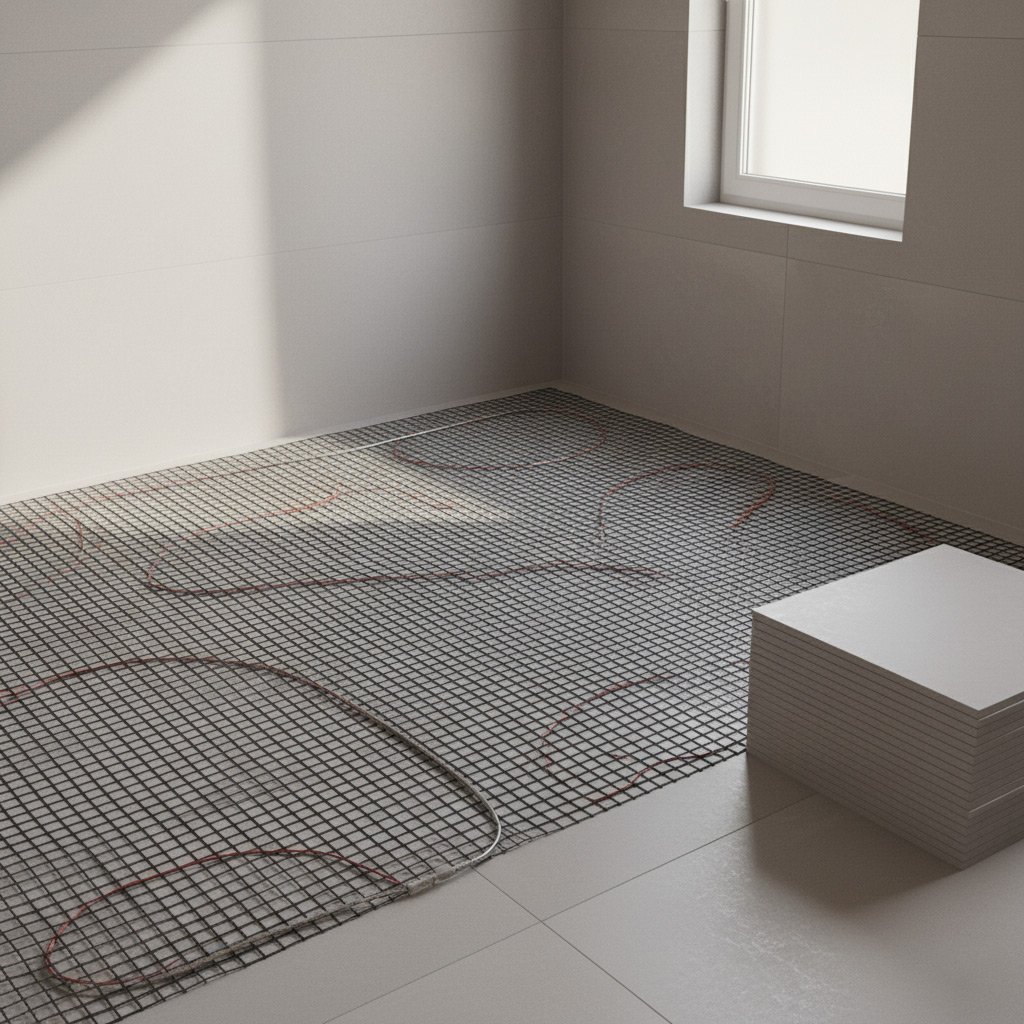
Acrylic Bath Walls: Material Composition and Performance Characteristics
What’s Inside the Panel?
Most modern acrylic panels are a sandwich of high‑density polymer and a thin, reinforced fiberglass core. The outer skin is a glossy, UV‑stable resin that resists yellowing, while the inner layer adds rigidity without the weight of cement.
- Polymer blend: blends of acrylic and polyester give a smooth, non‑porous surface.
- Fiberglass reinforcement: keeps the panel from flexing under water pressure.
- Integrated sealant bead: a built‑in gasket that locks panels together, cutting out grout.
How It Performs in a Real‑World Bathroom
Because the material is non‑porous, water can’t seep in to cause mold or rot. That means cleaning is as easy as a quick wipe with a mild soap. The panels also handle temperature swings—no cracking when hot water hits a cold wall.
Impact resistance is another win. A dropped toothbrush or a stray hammer won’t leave a permanent scar, unlike ceramic tile that can chip or crack. And since the surface is seamless, you won’t spend hours scrubbing grout lines that never go away.
Tile Bath Walls: Types, Installation Steps, and Maintenance Demands
Tile Types
From classic ceramic to sleek porcelain, the market offers a menu of options that suit any budget.
Ceramic is forgiving on cuts and easy to replace; porcelain packs density and resists water better; natural stone adds gravitas but demands sealing.
- Glazed tiles – glossy finish, easy to clean.
- Matte tiles – subtle look, hides water spots.
- Mosaic sheets – quick pattern, perfect for small spaces.
Installation Steps
Getting tile on the wall isn’t rocket science, but it does need a plan.
First, prep the surface: clean, level, and apply a waterproof membrane.
- Measure and mark a level line as your guide.
- Apply thin‑set mortar, press tiles in, and use spacers for even grout lines.
- Cut tiles with a wet saw for edges and corners.
- Let the mortar cure, then grout, wipe excess, and seal if needed.
Maintenance Demands
Tile looks great, but it asks for regular TLC.
Grout is the weak link; it stains, cracks, and needs resealing every few years.
- Scrub tiles with a pH‑neutral cleaner.
- Re‑grout or seal annually in high‑traffic bathrooms.
- Inspect for loose tiles after heavy use or temperature shifts.
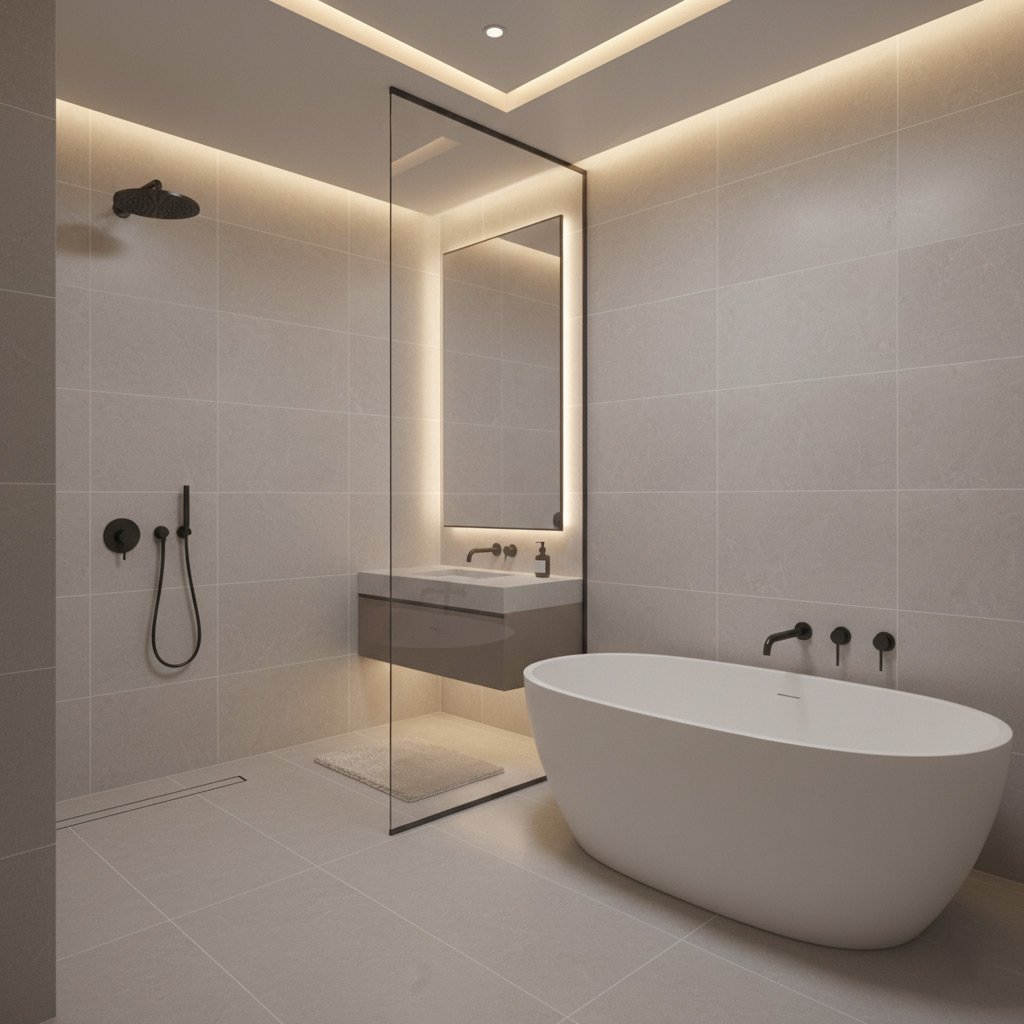
Cost Comparison: Upfront Investment vs. Long‑Term Expenses
When you pull the trigger on a bathroom remodel, the first thing you’ll see on the invoice is the price tag. Acrylic panels and tile each have a very different cash‑flow story, and knowing the numbers up front saves you from nasty surprises later.
Upfront Costs
- Acrylic panels: $30‑$45 per square foot, including trim and fasteners.
- Tile (ceramic or porcelain): $5‑$12 per square foot for the tile itself, plus $8‑$15 for labor per square foot.
- Installation time: 1‑2 days for acrylic vs. 4‑7 days for tile, meaning less labor cost and less disruption.
Those numbers look stark, but remember that acrylic comes as a ready‑made sheet. No cutting, no grout, no sealing. Tile demands a skilled installer, a wet saw, and a day‑long curing period before you can even think about using the shower.
Long‑Term Expenses
- Maintenance: Acrylic wipes clean with a mild cleanser; no grout lines to re‑seal.
- Tile upkeep: Grout cleaning, resealing every 2‑3 years, and occasional tile replacement.
- Repair costs: Acrylic cracks can be patched for $150‑$250; tile cracks often require a whole section to be ripped out and redone, running $500‑$1,200.
In the grand scheme, acrylic’s higher initial price can be offset by lower labor and almost zero maintenance. Tile may win on the “wow” factor, but you’ll keep paying for that sparkle long after the grout dries.
Durability & Longevity: Resistance to Moisture, Impact, and Wear
What the water can’t do
Acrylic panels are a single‑piece barrier. When water hits the surface, it slides right off, leaving no hidden pockets for mold to grow. Unlike grout lines that can soak and crack, the acrylic stays sealed for years.
Impact tolerance
Kids, pets, or a dropped towel bar—these everyday bumps test any wall. Acrylic’s flexible core absorbs knocks, so a stray hammer won’t send a crack through the wall. Tile, on the other hand, can chip or shatter under the same force.
Wear‑and‑tear showdown
Both materials face daily abrasion, but they handle it differently. Acrylic’s surface is engineered to resist scratches, and a quick wipe restores its shine. Tile may need re‑grouting or polishing when the glaze wears thin.
- Moisture resistance: 100% waterproof, no sealing required.
- Impact resistance: Flexes under pressure, reduces cracking.
- Wear resistance: Scratch‑proof coating, easy to clean.
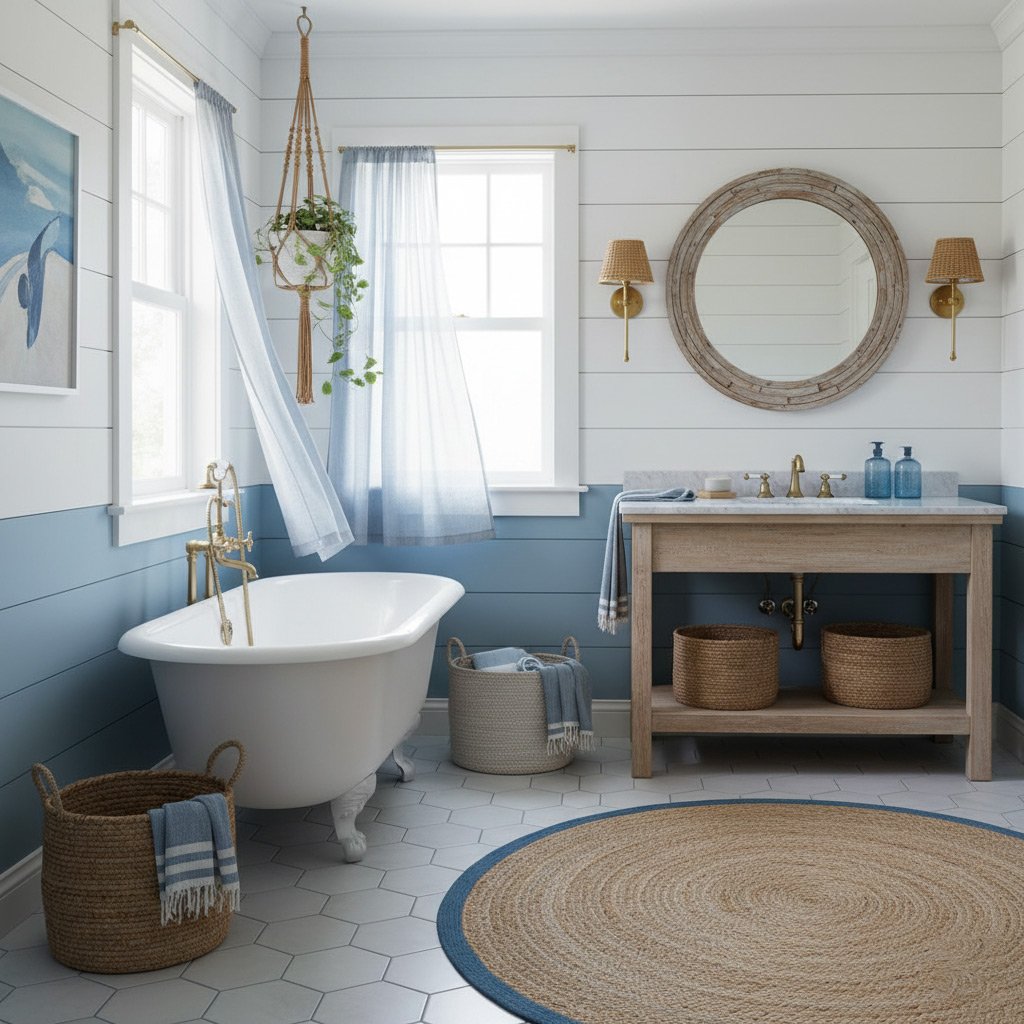
Design & Aesthetic Flexibility: Style Options, Color Palettes, and Visual Impact
When you walk into a bathroom that’s been finished with acrylic panels, the first thing you notice is the clean, uninterrupted surface. No grout lines to distract the eye, just a sleek canvas that can be dressed up or down in a heartbeat.
Style Options
- Glossy high‑shine for a modern spa vibe.
- Matte or satin finishes that whisper understated elegance.
- Textured “stone‑look” panels that mimic marble without the weight.
- Custom‑cut shapes to wrap around niches, tubs, or shower doors.
Color Palettes
Unlike tile, which often forces you into a limited range of glazes, acrylic comes in a rainbow of factory‑mixed hues. From crisp whites that brighten a small space to deep charcoals that add drama, you can match any fixture or tile accent you already own.
Visual Impact
Because acrylic reflects light, even a modest bathroom feels larger. Pair a light‑colored panel with a bold accent wall and you’ve got a focal point that draws the eye without shouting. And if you’re worried about “plastic” looks, choose a brushed or stone‑grain finish – it tricks the brain into seeing natural material while staying waterproof.
Case Study: A San Luis Bathroom Renovation that Switched from Tile to Acrylic Panels
The Situation
Maria and Carlos owned a modest two‑bathroom home in the heart of San Luis. Their master bath still sported 20‑year‑old ceramic tile that had begun to crack around the tub, and the grout was a permanent reminder of every splash.
They wanted a fresh look, but the idea of a month‑long demolition and re‑grouting felt like a nightmare. That’s when they heard about acrylic wall panels from a local remodeler.
The Switch
After a quick on‑site demo, the contractor laid out a three‑step plan that kept the project under two weeks:
- Remove the existing tile and clean the substrate.
- Apply a thin bonding primer to ensure the acrylic adheres perfectly.
- Snap the pre‑cut acrylic panels into place, seal the seams, and finish with a silicone trim.
The whole process took less than 12 hours of actual labor. No messy grout, no waiting for mortar to cure.
The Payoff
Three months later, the couple reported a dramatic shift in daily life:
- Water beading off the surface—no more mildew spots.
- Cleaning reduced to a quick wipe with a mild cleanser.
- Instant visual upgrade: a glossy, seamless finish that mimics high‑end stone without the cost.
Even their guests noticed the difference, commenting on the “modern, spa‑like vibe.” The acrylic panels proved to be a budget‑friendly, low‑maintenance alternative that held up against the desert humidity and everyday use.
Final Words
Ready to stop guessing and start planning? Grab a free design mock‑up from a local San Luis pro and see how acrylic panels will sit in your space before you lift a single tile.
Next Steps
- Call your favorite remodeler for a no‑obligation quote.
- Ask about the factory‑welded seams that keep water out for good.
- Schedule a walkthrough to compare sample finishes side‑by‑side.
Once the panels are up, keeping them pristine is a breeze. A quick wipe with a mild soap solution wipes out soap scum, and you’ll never wrestle with grout lines again.
Need more details on the material itself? Check out our Acrylic Bath Walls page for specs, warranty info, and real‑world photos from homes just like yours.
People Also Ask
What are the main material differences between acrylic and tile bathroom walls?
Acrylic walls are made from a solid sheet of polymer resin, while tile walls consist of ceramic, porcelain, or natural stone pieces set in mortar and grout. Acrylic offers a seamless surface, whereas tile provides a modular, grout‑lined finish.How does the installation process compare for acrylic panels versus tile?
Acrylic panels are typically cut to size and adhered directly to the wall studs with a specialized adhesive, often completing in one day. Tile installation requires multiple steps—back‑buttering, setting, grouting, and sealing—which can take several days to finish.Which option is more cost‑effective over the long term?
Acrylic panels have a higher upfront price but lower labor costs and minimal maintenance, leading to lower long‑term expenses. Tile may be cheaper initially, but ongoing grout cleaning, resealing, and potential repairs can increase total ownership costs.Are acrylic walls as durable as tile when exposed to moisture and daily wear?
Acrylic is non‑porous and resists water absorption, mold, and mildew, making it highly moisture‑resistant. Tile is also water‑resistant but can crack, chip, or develop grout stains over time, requiring more frequent upkeep.Can acrylic panels match the design flexibility of tile?
Modern acrylic panels come in a wide range of colors, textures, and printed patterns that mimic stone, wood, or tile looks. While tile offers endless design possibilities through different shapes and mosaics, acrylic provides a sleek, uniform appearance with quicker design changes.
San Luis Bathroom Remodel brings over a decade of specialized bathroom renovation expertise to homeowners throughout San Luis, Arizona. Their team combines skilled craftsmanship with a deep understanding of local design preferences, ensuring each project enhances both functionality and style. Committed to personalized service, they guide clients from concept through completion for a seamless remodel experience.
Need Bathroom Remodel?
We transform bathrooms in San Luis, AZ and surrounding ZIPs (85349, 85350, 85364, 85365, 85337). Our remodels are completed on schedule, delivering modern, functional spaces you’ll love.
Request Remodel Quote